
DW usually means “Don’t Worry” in text messages, social media posts, and online chats. People use it to reassure someone, ease concerns, or let others know that everything is okay.
If you’ve spotted “DW” in a conversation and weren’t sure what it meant, you’re definitely not alone. With new texting abbreviations and internet slang appearing all the time, it’s easy to get confused by short messages that seem obvious to everyone else.
You’ll often see DW on TikTok, Snapchat, Instagram, WhatsApp, Discord, and everyday text messages. While its meaning is usually simple, the way people use it can vary depending on the situation. In this guide, you’ll learn exactly what DW means, when to use it, how to respond to it, and why it’s become such a common part of online communication.
DW Meaning in Text
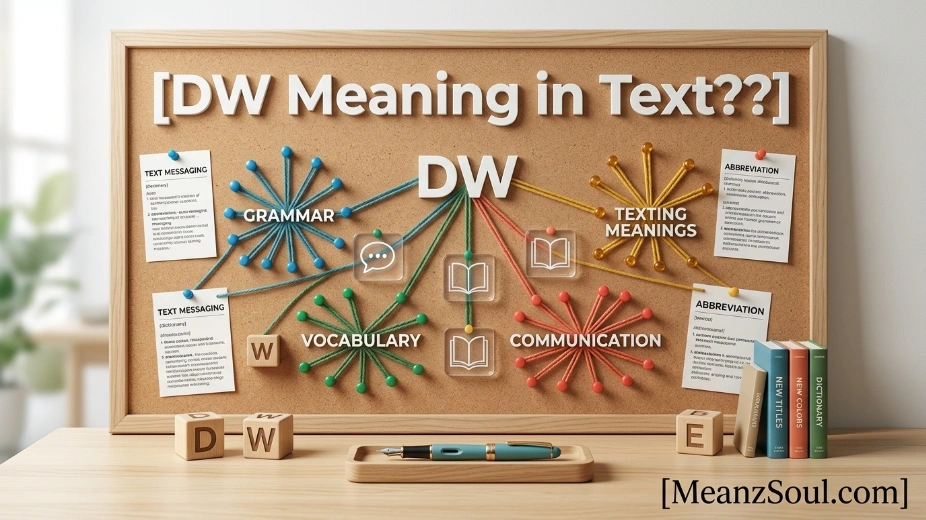
In text messaging, DW stands for “Don’t Worry.”
It is a popular texting abbreviation people use when they want to reassure someone that everything is fine. Instead of typing the full phrase, users shorten it to two letters.
For example:
Friend: Sorry I’m late.
You: DW, I’m still getting ready too.
In this situation, DW tells the other person there’s no need to feel stressed or guilty.
DW is considered internet slang and a social media abbreviation because it helps people communicate quickly during online conversations.
The meaning is usually positive and friendly. Most people use it to reduce anxiety, ease concerns, or show understanding.
What Does DW Stand For?
DW stands for:
D = Don’t
W = Worry
Together, the abbreviation forms the phrase:
“Don’t Worry.”
The phrase has been shortened because typing abbreviations is faster, especially on smartphones.
Online messaging encourages quick communication. As a result, abbreviations like DW became popular alongside other chat acronyms such as IDK, IMO, and BRB.
Using DW allows people to reassure someone with only two letters instead of typing an entire phrase.
Quick Answer
What does DW mean?
DW means “Don’t Worry.”
People commonly use it on TikTok, Snapchat, Instagram, WhatsApp, and text messages to reassure someone, reduce stress, or let others know that everything is okay.
Key Takeaways
- DW means “Don’t Worry.”
- It is commonly used in texting, social media, and online messaging.
- DW is an abbreviation and a form of messaging shorthand.
- It is generally not offensive or rude.
- Teenagers, Gen Z users, Millennials, gamers, and social media users frequently use it.
- It is often used to comfort, reassure, or calm someone.
- DW helps make conversations faster and more casual.
Why Do People Use DW?
There are several reasons why DW remains popular.
It Saves Time
Typing “don’t worry” repeatedly can be slower than simply typing DW.
For example:
- DW about it.
- DW, I got it covered.
- DW, everything is fine.
The abbreviation communicates the same message much faster.
Younger Users Prefer Short Messages
Many Gen Z and younger Millennials grew up using texting abbreviations.
Short messages feel more natural in modern digital communication.
It Fits Internet Culture
Internet culture rewards speed and convenience.
People regularly shorten phrases into acronyms and abbreviations such as:
- LOL
- BRB
- SMH
- TBH
- DW
DW fits perfectly into this style of communication.
It Sounds Friendly
Unlike some internet slang that can appear sarcastic, DW often feels reassuring and supportive.
That’s one reason it has remained popular for many years.
Where People Use DW
TikTok
On TikTok, DW often appears in comments and replies.
Users may reassure someone in a discussion or respond to concerns about a video.
Example:
“DW, the creator already explained this in another video.”
TikTok users frequently use DW because comments have limited space and conversations move quickly.
Snapchat
Snapchat conversations tend to be casual and fast.
DW appears regularly when friends reassure each other.
Example:
“DW, I won’t tell anyone.”
Many Snapchat users rely heavily on abbreviations and texting shorthand.
On Instagram, DW appears in:
- Direct messages
- Story replies
- Comments
- Group chats
Example:
“DW, your photo looks amazing.”
Instagram users often use DW to offer encouragement.
WhatsApp is one of the most common places to see DW.
Friends, family members, classmates, and coworkers may all use it.
Example:
“DW, I’ll send the document later.”
The abbreviation keeps conversations short and efficient.
SMS/Text Messages
Traditional text messaging is where DW originally became extremely popular.
Example:
“DW, I’ll pick you up after work.”
Even people who rarely use social media often recognize DW from texting culture.
Real Chat Examples
Below are realistic examples showing how DW is used in different situations.
Example 1
A: Sorry I missed your call.
B: DW, I was busy too.
A: Okay, thanks.
Example 2
A: I think I sent the wrong file.
B: DW, I found the correct one.
Example 3
A: Sorry for replying late.
B: DW, it happens.
Example 4
A: I’m nervous about tomorrow.
B: DW, you’ll do great.
Example 5
A: Did I ruin the surprise?
B: DW, nobody noticed.
Example 6
A: I forgot my homework.
B: DW, the teacher extended the deadline.
Example 7
A: Sorry I couldn’t join the game.
B: DW, we’ll play later.
Example 8
TikTok Commenter: Did you delete the video?
Creator: DW, it’s still up.
Example 9
A: I accidentally unfollowed you.
B: DW lol.
Example 10
A: I spilled coffee on my notes.
B: DW, I have copies.
Example 11
A: Sorry for bothering you.
B: DW, you’re not bothering me.
Example 12
A: I might be late.
B: DW, take your time.
Example 13
A: I forgot your birthday.
B: DW, it’s okay.
Example 14
A: Did I mess up?
B: DW, everything worked out.
Example 15
A: My internet keeps disconnecting.
B: DW, we can continue later.
Example 16
A: I lost the invitation.
B: DW, I can send another one.
Example 17
A: Sorry for the confusion.
B: DW, we’re good.
Example 18
Instagram DM
A: I hope my comment wasn’t rude.
B: DW, I didn’t take it that way.
Example 19
Snapchat Chat
A: Don’t screenshot this.
B: DW, I won’t.
Example 20
Gaming Chat
A: I accidentally picked the wrong character.
B: DW, we’ll still win.
Example 21
A: I can’t find the meeting link.
B: DW, I’ll send it.
Example 22
A: I think I made a mistake.
B: DW, mistakes happen.
Example 23
A: Sorry for the delay.
B: DW, no rush.
Example 24
A: I forgot the password.
B: DW, I’ll reset it.
Example 25
A: I thought you were mad at me.
B: DW, everything’s fine.
How to Reply When Someone Says “DW”
Funny Replies
- Good, because I was already worrying.
- Too late, I started worrying yesterday.
- My superpower is worrying.
- Challenge accepted.
- That’s exactly what a suspicious person would say.
Casual Replies
- Okay, thanks.
- Got it.
- Sounds good.
- Cool.
- Appreciate it.
Friendly Replies
- Thanks for letting me know.
- You’re the best.
- That’s a relief.
- Thanks, I feel better now.
- I appreciate that.
Neutral Replies
- Understood.
- Noted.
- Okay.
- Thank you.
- Alright.
Is DW Rude or Offensive?
No, DW is generally not rude or offensive.
In most situations, it is considered friendly and reassuring.
However, tone matters.
For example:
Friendly:
“DW, it happens.”
Potentially Dismissive:
“DW about it.”
Depending on the conversation, the second version might seem abrupt.
Is It Safe to Use Online?
Yes.
DW is widely accepted in online conversations and social media language.
Is It Appropriate at School?
Usually yes.
Students frequently use DW in messages, group chats, and casual discussions.
Is It Appropriate at Work?
In informal workplace chats, DW is often acceptable.
In formal emails or professional documents, writing out “don’t worry” may appear more polished.
Who Uses This Term?
Gen Z
Gen Z uses DW extensively.
It fits their preference for quick and efficient communication.
Millennials
Many Millennials grew up with texting abbreviations and continue using DW today.
Social Media Users
TikTok, Instagram, Snapchat, and WhatsApp users commonly use the abbreviation.
Gaming Communities
Online gaming communities frequently use DW during team communication.
Texting Culture
DW has become a standard part of texting culture and digital communication.
People of many ages recognize it instantly.
Origin of the Term
DW likely originated during the rise of SMS messaging and internet chat rooms.
Early mobile phones often had character limits and slower keyboards.
As a result, users began shortening common phrases.
“Don’t Worry” naturally became DW.
The exact first use is difficult to trace because abbreviations often develop organically across many online communities simultaneously.
Over time, DW spread through:
- Text messaging
- Instant messaging platforms
- Online forums
- Social networks
- Gaming chats
Today it is one of the most recognizable messaging abbreviations online.
Other Meanings of DW
While “Don’t Worry” is the most common meaning in texting, DW can occasionally have other meanings depending on the context.
Possible alternative meanings include:
- Driving While
- Data Warehouse
- Dream World
- Deutsche Welle (news organization)
However, when you see DW in a text message, Snapchat chat, TikTok comment, or Instagram DM, it almost always means “Don’t Worry.”
Context is the key to understanding the correct meaning.
Common Mistakes People Make About DW
Assuming It Has a Negative Meaning
Some people think DW is sarcastic or rude.
In reality, it is usually intended to be reassuring.
Confusing It With Other Abbreviations
DW is sometimes confused with:
- IDK
- IDC
- NVM
- SMH
Each has a completely different meaning.
Ignoring Context
Although DW usually means “Don’t Worry,” context still matters.
Always read surrounding messages before assuming its meaning.
Using It in Very Formal Communication
DW works best in casual communication.
Formal business communication may require the full phrase instead.
Related Internet Slang Terms
| Term | Meaning | Common Use |
|---|---|---|
| IDK | I Don’t Know | Expressing uncertainty |
| IDC | I Don’t Care | Showing indifference |
| IMO | In My Opinion | Sharing an opinion |
| TBH | To Be Honest | Giving honest thoughts |
| NGL | Not Gonna Lie | Introducing a truthful statement |
| FR | For Real | Emphasizing sincerity |
| SMH | Shaking My Head | Expressing disappointment |
| BRB | Be Right Back | Leaving temporarily |
Unlike many of these terms, DW focuses on reassurance rather than expressing opinions, uncertainty, or reactions.
Comparison Table
| Term | Meaning | Type | Usage | Popularity |
|---|---|---|---|---|
| DW | Don’t Worry | Abbreviation | Reassuring someone | Very High |
| IDK | I Don’t Know | Acronym | Showing uncertainty | Very High |
| IDC | I Don’t Care | Acronym | Expressing indifference | High |
| IMO | In My Opinion | Acronym | Sharing opinions | High |
| BRB | Be Right Back | Acronym | Temporary absence | High |
DW stands out because its primary purpose is comfort and reassurance.
Real-World Usage Example
Imagine Sarah is running late to meet her friend.
She sends a text:
“Sorry, traffic is terrible. I’ll be 15 minutes late.”
Her friend replies:
“DW, I’m still finishing my coffee.”
In this situation, DW immediately reassures Sarah that being late isn’t a problem. The conversation remains relaxed, friendly, and stress-free.
Why This Slang Remains Popular
Several factors help DW remain popular today.
Speed of Communication
People want to communicate quickly.
DW delivers a complete message in only two letters.
Mobile Texting Habits
Smartphone users often prefer short responses.
DW fits perfectly into mobile messaging.
Social Media Influence
TikTok slang, Snapchat slang, and other social media language trends encourage abbreviations.
DW continues spreading through these platforms.
Internet Culture Trends
Online conversations reward convenience.
As long as people value fast communication, abbreviations like DW will remain useful.
How DW Changes the Tone of a Conversation
Words and abbreviations can influence how a message feels. DW is a good example because it often softens a conversation and reduces tension.
Imagine someone apologizes for being late. A simple “DW” instantly signals that the situation is not a big problem. Without it, the conversation might feel more serious or uncomfortable.
This is one reason the abbreviation remains popular in texting culture. It helps create a relaxed atmosphere and reassures the other person.
In many cases, DW works almost like a digital version of a smile. It tells the other person that everything is okay and that there is no reason to stress.
Because online messages lack facial expressions and body language, short phrases like DW help communicate emotions more clearly.
Situations Where DW Is Commonly Used
DW appears in many everyday situations.
One common situation is when someone apologizes. For example, if a friend forgets to reply to a message, the other person may respond with DW to show there are no hard feelings.
Another situation is when plans change unexpectedly. If someone arrives late or cancels a meeting, DW can reassure them that the change is understandable.
Students also use DW when helping classmates who are worried about assignments, exams, or deadlines.
Family members often use the abbreviation as well. Parents, siblings, and relatives may use DW to comfort each other during daily conversations.
The versatility of DW makes it useful in almost any situation where reassurance is needed.
How Context Helps You Understand DW
Although DW usually means “Don’t Worry,” context always matters.
For example, if someone says, “I lost the file,” and receives a reply saying “DW, I saved a backup,” the meaning is obvious. The sender is providing reassurance.
Looking at surrounding messages can help you understand the intention behind the abbreviation.
This is an important skill because many internet slang terms can have multiple meanings in different situations.
When learning online language, always focus on the overall conversation rather than a single word or abbreviation.
The Psychology Behind Reassuring Text Messages
People naturally seek reassurance when they feel uncertain or anxious.
Digital communication often removes the emotional cues we receive during face-to-face conversations. As a result, simple phrases like DW become valuable.
When someone reads “DW,” they immediately know the other person is trying to reduce concern.
This small abbreviation can improve communication by making messages feel friendlier and more supportive.
Psychologists often note that reassurance helps strengthen relationships. Even short responses can make people feel understood and appreciated.
That may explain why DW continues to thrive despite constantly changing internet trends.
DW vs Writing “Don’t Worry”
Many people wonder whether there is a difference between using DW and writing out the full phrase.
The meaning is generally the same, but the tone can vary slightly.
DW feels more casual, relaxed, and conversational. It is commonly used among friends, classmates, and social media users.
Writing “Don’t worry” in full may feel slightly warmer and more personal, especially in longer conversations.
For example:
DW, it’s fine.
Don’t worry, everything will work out.
Both communicate reassurance, but the second version may feel more thoughtful because it contains additional words.
Choosing between them depends on the audience and situation.
How DW Reflects Modern Communication Trends
The popularity of DW reflects a larger shift in how people communicate online.
Over the years, messaging has become faster and more mobile-focused. People now exchange dozens or even hundreds of short messages every day.
Because of this, abbreviations have become a natural part of digital communication.
Users look for ways to express complete ideas using fewer characters.
DW is a perfect example of this trend. Two letters communicate a full emotional message without requiring a lengthy explanation.
As communication technology evolves, similar abbreviations will likely remain part of everyday online language.
Signs Someone Is Using DW Genuinely
Most of the time, DW is sincere.
You can often tell by looking at the rest of the conversation.
For example, if someone follows DW with helpful advice, encouragement, or a positive comment, they are usually being genuine.
Examples include:
- DW, you’ll figure it out.
- DW, I can help you.
- DW, everyone makes mistakes.
These responses show empathy and support.
Recognizing sincerity online is important because text messages do not include tone of voice. Looking at the overall message can provide valuable clues.
The Future of DW in Internet Slang
Internet slang changes rapidly, but some abbreviations survive much longer than others.
DW has remained popular because it serves a practical purpose. People will always need ways to reassure friends, family members, and coworkers.
Unlike trend-based slang that disappears after a few months, DW performs a useful communication function.
That gives it staying power.
Even as new social media platforms emerge, abbreviations that save time and communicate clear emotions are likely to remain relevant.
For that reason, DW will probably continue appearing in text messages and online conversations for years to come.
What DW Reveals About Online Relationships
The way people communicate online often reflects the strength of their relationships.
When someone uses DW, they are frequently showing patience, understanding, and emotional support.
These small interactions help build trust between friends, family members, classmates, and colleagues.
Although DW contains only two letters, it can communicate kindness in a meaningful way.
This demonstrates how digital language is not only about efficiency but also about maintaining human connections.
Modern internet slang may seem simple on the surface, but many expressions carry emotional meaning that helps people stay connected across digital platforms.
Tips for Using DW Naturally
If you’re new to internet slang, using DW correctly is easy.
Use it when someone seems worried, apologetic, nervous, or concerned.
Keep it casual and friendly.
Avoid overusing it in highly professional emails or formal documents.
Remember that DW works best when paired with a helpful or positive message.
Examples include:
- DW, I can handle it.
- DW, everything is under control.
- DW, you’ll be fine.
- DW, we can fix it.
These messages sound natural and provide reassurance without creating confusion.
As with any texting abbreviation, the goal is to make communication easier and more comfortable for everyone involved.
People Also Ask
What does DW mean in text messages?
DW usually means “Don’t Worry.” People use it to reassure someone that everything is okay or that a situation isn’t a problem.
What does DW mean on TikTok?
On TikTok, DW almost always means “Don’t Worry.” Users often write it in comments and replies to reassure others.
Is DW slang?
DW is generally considered internet slang, a texting abbreviation, and a form of messaging shorthand used in digital communication.
Is DW rude or offensive?
No. DW is usually friendly and reassuring. However, tone and context can affect how it is interpreted.
How should you reply to DW?
You can respond with “Thanks,” “Okay,” “Got it,” or “I appreciate it.” The best reply depends on the conversation.
What does DW stand for?
DW stands for “Don’t Worry.”
Why do people use DW?
People use it because it is quick, convenient, and easy to understand in online messaging.
Is DW a Gen Z term?
Gen Z uses DW frequently, but Millennials and many older internet users also understand and use it.
Can adults use DW?
Absolutely. DW is not limited to any age group and is widely recognized.
When should you avoid using DW?
Avoid it in highly formal documents, professional reports, or situations where complete wording would be more appropriate.
Frequently Asked Questions
Does DW always mean Don’t Worry?
In most texting and social media situations, yes. Other meanings exist, but they are much less common.
Is DW used worldwide?
Yes. English-speaking internet users around the world commonly use DW.
Can DW be used in professional chats?
It can be used in informal workplace messaging, but full wording may be preferable in formal communication.
Is DW still popular in 2026?
Yes. DW remains a widely recognized texting abbreviation and internet slang term.
Is DW used in gaming chats?
Yes. Gamers often use DW to reassure teammates or reduce tension during gameplay.
Can DW sound sarcastic?
Occasionally. Like most text slang, tone depends on context and the relationship between the people communicating.
Should I use DW with people who don’t know internet slang?
If you’re unsure whether someone understands abbreviations, writing “Don’t Worry” in full may be clearer.
Conclusion
DW means “Don’t Worry,” a popular texting abbreviation used to reassure someone and make conversations feel more relaxed. It appears frequently on TikTok, Snapchat, Instagram, WhatsApp, gaming chats, and regular text messages.
The term is friendly, widely understood, and generally not offensive. Because it saves time and fits modern online messaging habits, DW remains one of the most common pieces of internet slang used today.
Whether you’re chatting with friends, commenting on social media, or messaging teammates in a game, understanding DW helps you navigate digital communication more confidently.
Discover More Post
What Does OC Meaning in Text? Real Meaning Examples …
What Does GMT Mean in Text? Real Meaning Examples …
What Does Belching Meaning in Text? Slang Guide with …
Confused About Diva? Here’s What It Means in Text & Social …